John Brown Gurston Down commentator sits down with the Gurston Down team for an exclusive interview. John, reluctantly, answered questions about his past his route to being Gurston commentator, his family life as well his other activities and hobbies.
GD: Let’s start at the beginning, where did it start, where do you come from?
JB: I was born in Dumfries in the South of Scotland back in 1954, my mother had been an office clerk and my dad was a banker.
GD: What was your first memory of motorsport?
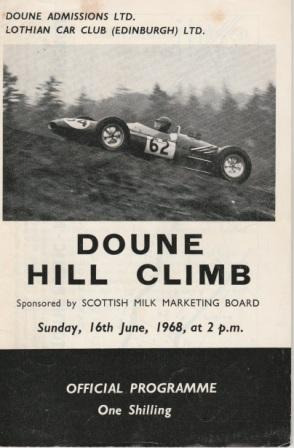
JB: My interest in motorsport began at quite a young age when my father would take me to various events in Scotland. I can remember going to the Ingliston racing circuit when I was 11 and the first hillclimb I attended was the very first one held at Doune in 1968 when I was 14. The sound of David Hepworth’s unsilenced Brabham Chevrolet is one of my first memories of the hills.
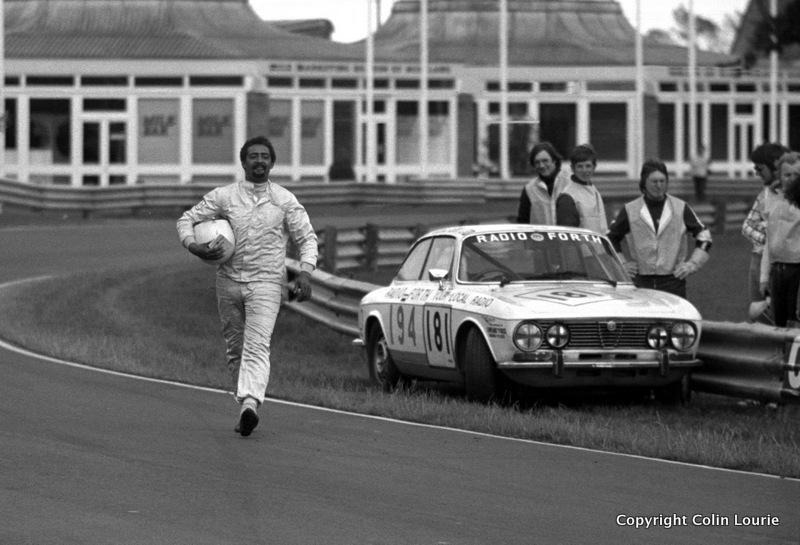
When my sister began dating a motor sport mad banker I got involved in all sorts of events and became a marshal at Ingliston, Doune and on many rallies and sprints.
GD: We’ve spoken a few times and it’s obvious you have moved around the country quite a lot. What’s been your journey?
JB: I left Scotland in 1977 and attended Birmingham University where I joined the uni motor club – among the other members were future hillclimbers John Pick and Dave Oldridge, although we were never really acquaintances there, though I do always remember John being an arch-rival at quiz nights!
In 1979 I moved to live in Worcester and discovered the delights of Shelsley Walsh where I was a regular visitor even after moving across the country to Bedford. I had stopped marshalling and became just a spectator mainly at Shelsley and Prescott with occasional visits to Gurston Down. I lived mainly in Bedfordshire and Essex which are pretty flat and so I soon got to know the various routes between the East and the West of England.
My first trip to Gurston Down was over 40 years ago in 1982!
Skip forward a few decades and after I retired in 2014 I decide that in 2015 I would visit every round of the British Hillclimb Championship and would write a blog about it – that blog is still available at British Hillclimb tour 2015
GD: You went to all the rounds of the British Hillclimb Championship, as a spectator, that’s quite dedicated. How did your wife tolerate that?
JB: Very well as she has done for all my motor sport activities, but she did get a holiday to the Channel Islands and Devon out of it!
I had also already completed a pilgrimage to all motor racing circuits in Great Britain, so this was less demanding.
GD: ok, so the scene is set, you’ve marshalled at events, you’ve visited Gurston, you’ve been following the British Hillclimb Championship, but so far as a spectator, how did you become a commentator?
JB: I first met Jerry Sturman, Gurston’s then commentator in 1988 when we both represented the Hillclimb and Sprint Association at the Ford Motorsport National Motor Club Quiz.
Jerry was already involved in the Hillclimb and Sprint Association magazine ‘Speedscene’ at that time and eventually became its editor and I began writing articles for the magazine on various aspects of the sport
Going back to my review blog of 2015, one of the comments I made was as follows:
“By its very nature hillclimbing has long pauses in the action – as cars return to the paddock, when there is an incident, or as the cars get ready for the top-twelve run-off and the commentators do a sterling job at filling the blank time, but sometimes the length of the break is too long for them to keep filling.
To try and fill these blanks and to provide instant information about preparations for the run-off should we be looking to have roving reporters in the paddock. “
Some time later I received an email from Ben Stapley, from Gurston, who asked me if I would be interested in being the roving reporter at Gurston Down. Inevitably I said yes, and I started commentating regularly at Gurston alongside Jerry. I was his roving paddock reporter and filler-in, while he sat in the comfort of the commentary box at Karousel.
And then Jerry retired at the end of 2024 and since 2025 I have been in the commentary box and we’re in need of a new roving reporter (please get in touch)!
GD: Beyond Gurston I understand you do other commentary too
JB: Yes, I spent many happy (and often cold) weekends at Doune before I left Scotland and made occasional visits in the years after. For the 2018 50th anniversary meeting at Doune I was one of a team of 6 commentators with radio mics who relayed the information on the runs as the cars progressed up the hill and I continue to this day. I now commentate at all 4 weekends at Doune whenever I can.
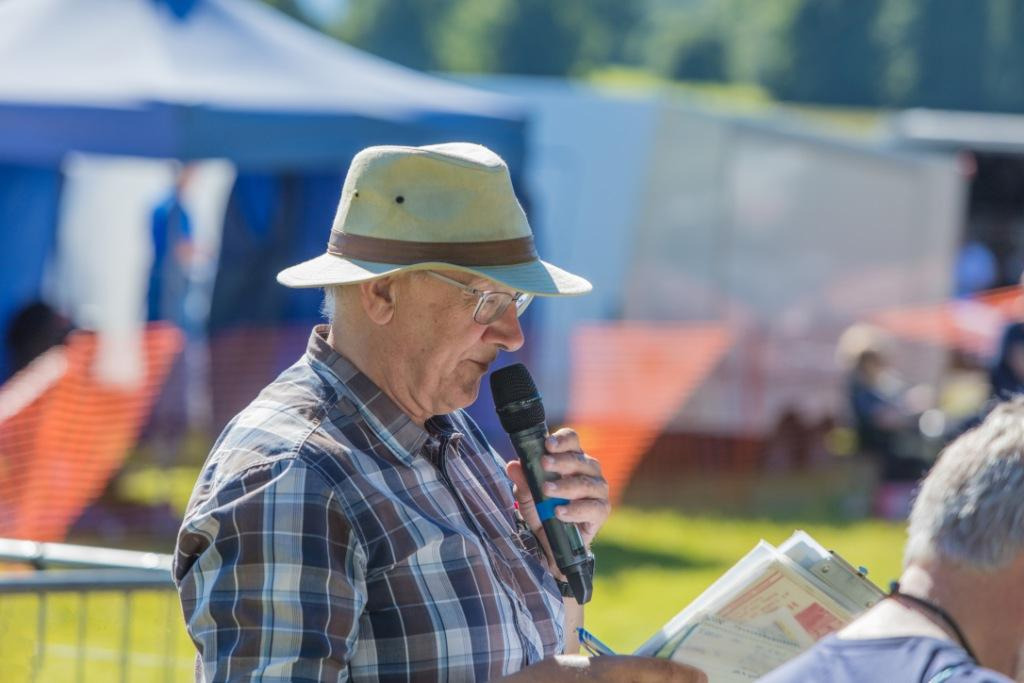
Again, as a replacement for Jerry Sturman, I have commentated at the Hillclimb and Sprint Association weekend at Curborough in October and hope to do so again this year. Other gigs have included as a replacement for an ill Jerry at Barbon Manor and Harewood when they both ran British Hillclimb Championship rounds at the same weekend (Barbon on Saturday and Harewood on Sunday) and I also did 3 years at the Bo’ness Revival Hillclimb in Scotland.
Last year I also commentated at the Aston Hill Centenary hillclimb in Buckinghamshire.
GD: that’s a huge amount of travel and dedication to the sport. What is the most surprising thing you have seen while at a hillclimb?
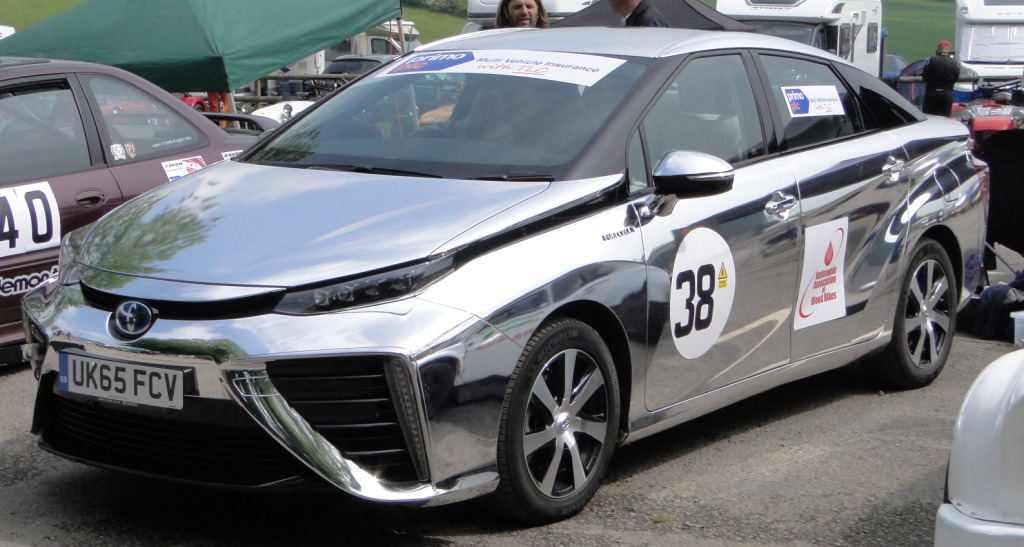
JB: Back in 2015 and 2026 two Scottish journalists persuaded car manufacturers to lend them cars to compete in rounds of the BHC and this was in support of the Blood Bikes Charity. There’s not a lot more surprising than seeing a VW Touareg or a Jeep being driven in competition up a twisting hill, but the most surprising of the lot was probably the Toyota Mirai which was hydrogen fuel-cell powered. David Finlay drove it at Gurston and had to run last in a batch and be followed by a course car containing a Toyota mechanic who was the only person allowed to touch the car if it broke down!
The emissions from the car were pure water and so David made himself a cup of coffee with that but it tasted awful!!
GD: What do you like about Gurston, what if anything makes it stand out?
JB: It is a hillclimb and so what is there about that is not to like!
I have never driven it and on the map it looks so straightforward but, as so many drivers have said to me, it is deceptively tricky and the downhill start gives so much momentum that corners suddenly come at you. Sitting in the commentary box it is interesting to see how different drivers deal (or not) with Karousel which is crucial to your time on the rest of the hill.
It is such a well organised venue and everybody is very friendly and it so good to be able to walk around the paddock and chat with all the regulars who you get to know over the years.
GD: How do you relax with time away from the sport?
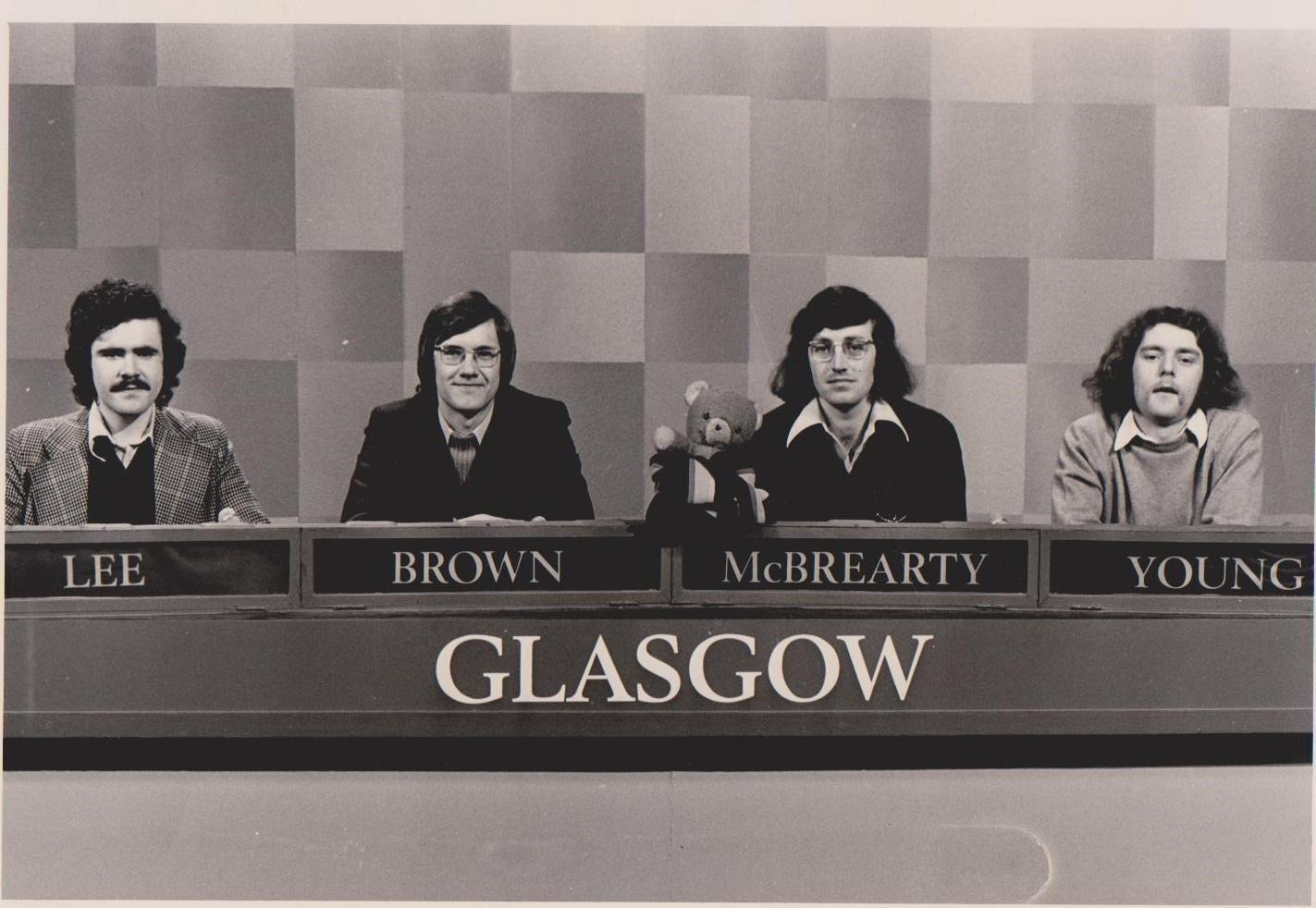
JB: Away from motorsport my great passion is the winter sport of curling which I took up when it was a school sport at my school in Glasgow. Back at school I played alongside Ken Bruce, now a famous DJ. After leaving Scotland I got involved in the English Curling Association and have served as President, Treasurer, Secretary and Competitions Convenor and am still one of their representatives at meetings of World Curling. I was also chair of the British Curling Association between 2002 and 2006.
I qualify to play for the England National teams through residency and have represented England at 2 World championships, 5 European Championships and 13 World Senior Championships while also coaching and, now that my playing days at International level are over, I do a bit of umpiring at English Championships.
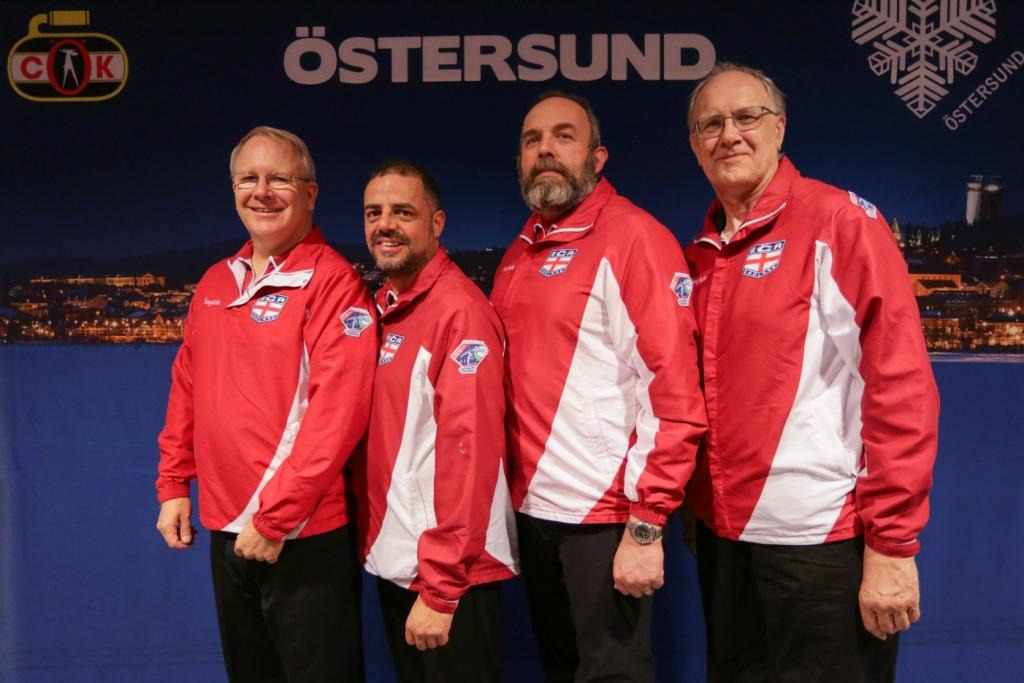
I’ve had the privilege to travel while competing and I have travelled to 20 different countries in connection with the sport, ranging from New Zealand and South Korea to the depths of Russia and many parts of Canada.
I am also bit of a collector (hoarder?) and have an extensive library of motor racing and mountaineering books, a large stamp collection and have never thrown away any of the programmes from motor racing events I have been to!
GD: a man of many talents, that’s amazing. Curling is an amazing sport and seems to be getting lots of attention in recent years. But with two passions what does your family say with the amount of time you are travelling?
JB: It is a surprise to realise that I have been married for 47 years to my wife Margaret who, as you identified, has had the double whammy of being a motorsport widow and a curling widow! We even spent a holiday in the Isle of Man the year after we were married to watch the Manx Rally and the Manx Grand Prix! However she has accompanied me on my curling trips to New Zealand (twice) and South Korea.
I also have 2 sons, David (39) and James (36) who have inherited my motor sport interest, but to a lesser extent, though David has been a regular attender at Le Mans for the last 12 years.
GD: Perhaps one of them will pick up the mic, what do you think?
JB: I think they have too many of their own activities to do at the moment, James goes diving and David plays in orchestras and sails and they have not yet trained their partners to be as amenable to any regular absences!
GD: One final question; what event would you love to commentate at?
JB: I would love to be able to commentate at Shelsley Walsh just once to say that I have done it and it would also be great to be able to commentate at the centenary event for Gurston, but that will have to be left to one of my successors unless we have perfected the science of cryopreservation!
GD: thank you John, we really appreciate your knowledge and dedication thank you for enriching the events.